EU-27 · DSV ROAD · B2B WHOLESALE

Sport nutrition raw materials, supplied in bulk across the EU.

Eleven core sport-nutrition raw materials — whey protein, creatine, soy isolate, caffeine, taurine, dextrose, collagen, MSM, MPI 90, glutamine, instant WPC — sourced from ISO 22000 producers. Min. 25 kg. Full documentation pack on request.

11+
Sport raws in catalogue
EU-27
DSV road delivery
25 kg
Min. order — 1 sack
4 h
B2B response window
P FDCM SPORT NUTRITION 25 kg NET EU-27 DSV
EU-27
Delivery zone
25 kg
Min. order
DSV
Logistics partner
4 h
B2B response
2017
Trading since
11+
Sport raws
ISO 22000
Supplier base
B2B sourcing reality

Sport-nutrition formulators face a procurement maze. We're the bypass.

Most sport-nutrition raw materials are gated behind 1-tonne MOQs, opaque CoAs, and contract-manufacturer-only supply chains. FDCM operates as a direct B2B hurtownia — single 25 kg sacks shipped EU-wide via DSV, full documentation included. Test a new raw material at sack scale, validate your formulation, scale up when ready.

Documentation
Full B2B paper trail per batch
CoA · TDS · Spec sheet · Allergen statement · GMO/BSE-TSE · Halal/Kosher on request · ISO 22000 audit reports.
Logistics
DSV road network — EU-27
Pallet or sack-quantity orders shipped from Warsaw to all 27 EU member states. Lead time 3–7 working days.
MOQ
From 1 sack — 25 kg minimum
No 1-tonne gates. Test at sack scale, validate, scale. Pricing tiers from 1 sack to FTL.
Regulatory compliance · EU register

EFSA-authorised health claims for sport-nutrition substances

Under EU Regulation (EC) 1924/2006, only specific health claims may legally appear on sport-nutrition labels. The matrix below summarises the current authorised claims relevant to formulators sourcing creatine, carbohydrate-electrolyte solutions, protein and caffeine.

Substance
Authorised claim
Conditions of use
Status
Creatine
"Creatine increases physical performance in successive bursts of short-term, high intensity exercise"
Daily intake of 3 g creatine, in adults performing high-intensity exercise
Reg. (EU) 432/2012 — Art. 13(1)
Authorised
Creatine (resistance training, 55+)
"Daily creatine consumption can enhance the effect of resistance training on muscle strength in adults over the age of 55"
Daily intake of 3 g creatine + resistance training ≥3×/week for ≥12 weeks at ≥65% 1RM
Reg. (EU) 2017/672 — Art. 13(5)
Authorised
Carbohydrate-electrolyte solutions
"Carbohydrate-electrolyte solutions enhance the absorption of water during physical exercise"
80–350 kcal/L from carbs (≥75% from high-GI carbs) · 460–1150 mg/L Na⁺ · 200–330 mOsm/kg
Reg. (EU) 432/2012 — Art. 13(1)
Authorised
Carbohydrate-electrolyte solutions
"Carbohydrate-electrolyte solutions contribute to the maintenance of endurance performance during prolonged endurance exercise"
Same compositional conditions as above
Reg. (EU) 432/2012 — Art. 13(1)
Authorised
Protein
"Protein contributes to a growth in muscle mass / contributes to the maintenance of muscle mass"
≥12% of energy value from protein (source) or ≥20% (high)
Reg. (EU) 432/2012 — Art. 13(1)
Authorised
Caffeine
"Caffeine helps to increase endurance performance / endurance capacity / reduce the rated perceived exertion"
3 mg/kg body weight, 1 hour pre-exercise (endurance perf. & RPE) · 4 mg/kg (capacity)
EFSA Opinion 2011 (favourable); not finally authorised — proposal blocked by Commission
Pending
Source: EU Register of nutrition and health claims · Reg. (EC) 1924/2006 · Reg. (EU) 432/2012 · last verified 2026.

FDCM is a raw-material supplier — not a regulatory consultant. Verify claims against the live EU Register before printing labels.

Bioenergetics · why creatine works

The phosphocreatine shuttle — and why 3 g/day is the EU baseline

During short bursts of high-intensity exercise, ATP is consumed faster than oxidative phosphorylation can replenish it. Phosphocreatine donates its phosphate group to ADP via creatine kinase, regenerating ATP in milliseconds. Saturating muscle creatine stores extends this buffer — the mechanism behind the only EFSA-authorised performance claim for creatine.

Mitochondrion ATP synthesis (oxidative phosphorylation) Myofibril Actin–Myosin contraction ATP → ADP + Pi (energy released) ATP Creatine kinase: PCr + ADP → ATP + Cr ADP + Cr cytoplasmic shuttle EFSA-authorised: creatine increases physical performance in successive bursts of short-term, high-intensity exercise
PCr — phosphocreatine reservoir
Creatine kinase (CK-MM)
ADP cytosolic recycling
ATP — direct contraction fuel
Pharmacokinetics · evidence base

Loading vs maintenance: same plateau, different timeline

Three dosing strategies converge on the same intramuscular saturation. Loading reaches ~95% in week one; daily 5 g/day reaches the same plateau in 3–4 weeks; 3 g/day takes slightly longer. The 3 g/day stick-pack matches the EFSA condition of use exactly and avoids GI side-effects associated with loading doses.

Muscle creatine saturation curves

Adapted from ISSN position stand 2021 · Hultman 1996 · loading at 0.3 g/kg/day ≈ 20 g/day for 70 kg adult

Process engineering

Solubility / dispersibility — temperature window per raw material

Dispersion ease (0–100) at four water temperatures, based on lab-grade typical figures. Critical for RTD beverage developers and instant powder formulators deciding between regular and instant grades.

Raw material5 °C20 °C40 °C60 °C
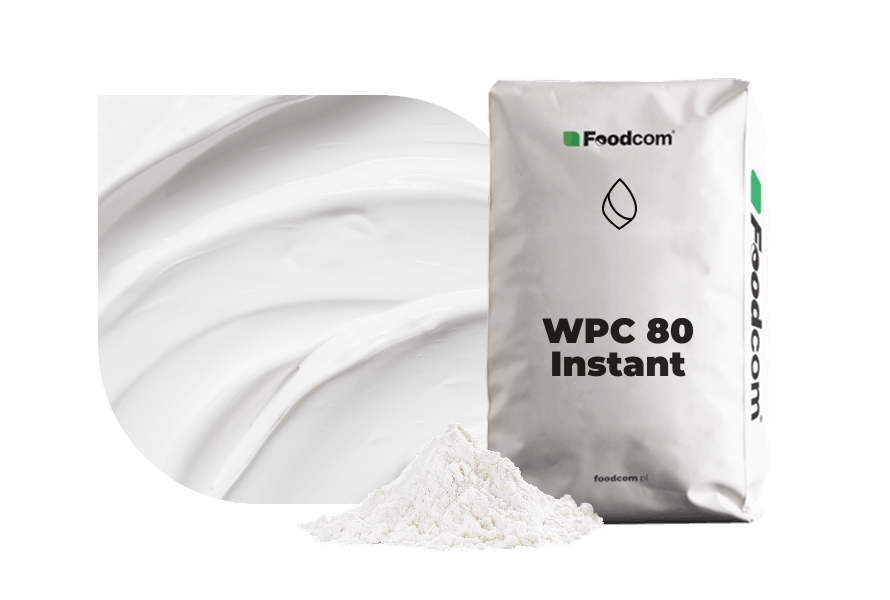
WPC 80 regular55758588
WPC 80 instant80929595
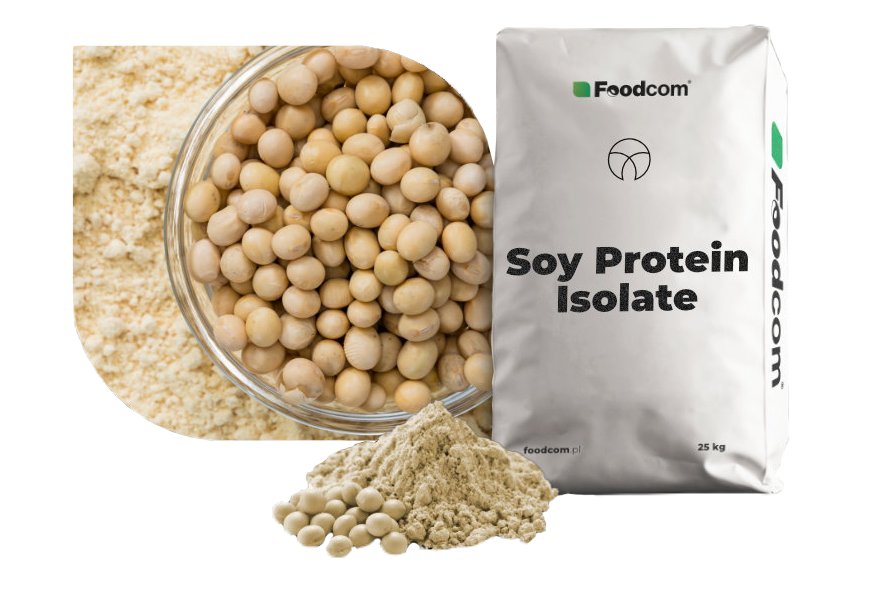
Soy Protein Isolate35557588
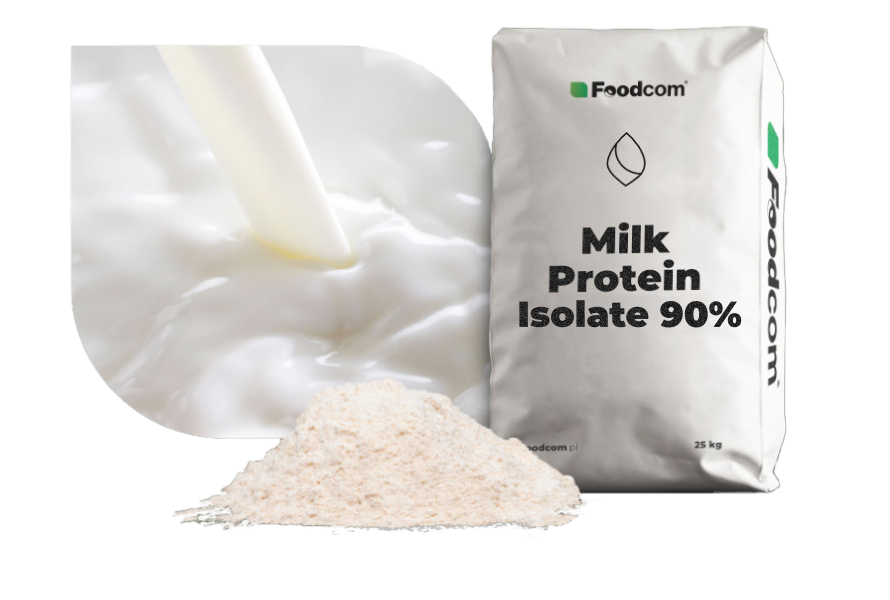
MPI 9040607885
Creatine 200 mesh45708895
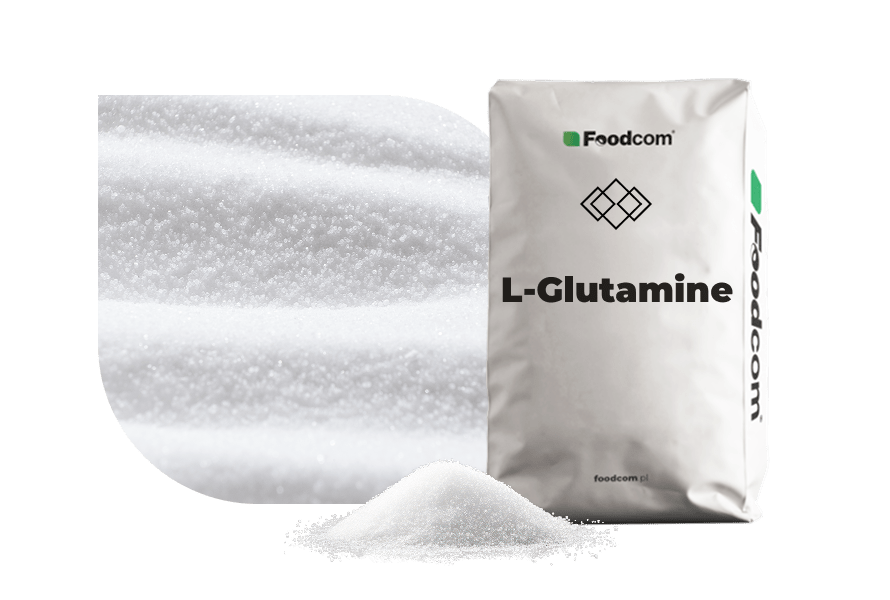
L-Glutamine70859295
Taurine90959899
Dextrose95999999
Bovine Collagen88959899
MSM85959899

Scores reflect typical commercial-grade material under gentle stirring. Actual performance varies with batch, water hardness and shear input. Request TDS for batch-specific values.

Particle size · sport-nutrition standard

Mesh size matters — dosing accuracy, mouthfeel, dust risk

Mesh number is inversely proportional to particle size. The sport-nutrition standard for creatine is 200 mesh — fine enough for smooth organoleptics and quick dispersion, coarse enough for consistent volumetric scoop fills.

60 mesh
D50 ≈ 250 µm
coarse
80 mesh
D50 ≈ 180 µm
standard
100 mesh
D50 ≈ 150 µm
fine
325 mesh
D50 ≈ 44 µm
ultra-fine
Formulation reference

Sport-nutrition stack reference — four formulator presets

Four common formulation directions mapped to FDCM's catalogue with typical per-serving amounts. Reference stacks for product developers — not consumer dosing recommendations.

CRE-200
Creatine Monohydrate 200 mesh
3 g/day
View →
WPC80-R
Whey Protein Concentrate 80% (regular)
30 g post-w
View →
MPI-90
Milk Protein Isolate 90%
30 g pre-bed
View →
DEX
Dextrose Monohydrate
60–80 g/h
View →
TAU
Taurine
1–2 g pre-w
View →
CAF
Caffeine Anhydrous
3 mg/kg pre-w
View →
WPC80-I
Whey Protein Concentrate 80% (instant)
30 g post-w
View →
COL-B
Bovine Collagen Peptides
10 g/day
View →
MSM
MSM (Methylsulfonylmethane)
1–3 g/day
View →
GLN
L-Glutamine
5 g post-w
View →
SPI-90
Soy Protein Isolate
30 g post-w
View →
CRE-200
Creatine Monohydrate 200 mesh
3 g/day
View →
TAU
Taurine
1 g pre-w
View →
Catalogue · 11 sport raw materials

Sport-nutrition raw materials, in stock from 25 kg

All eleven sport-grade raw materials currently distributed through FDCM. Click any tile for live pricing, full specification and B2B quantities up to FTL.

Logistics · EU-27

From Warsaw to all 27 EU member states

Warsaw HQ

Direct DSV road delivery

Our Warsaw hub ships to all 27 EU member states via DSV road freight. Lead times 3–7 working days. Larger orders: FTL/LTL groupage with documentation pre-cleared at origin.

Sack quantities → parcel-pallet. Pallet quantities → LTL. Multi-pallet → FTL. All pricing includes EU customs documentation.

AT
BE
BG
HR
CY
CZ
DK
EE
FI
FR
DE
GR
HU
IE
IT
LV
LT
LU
MT
NL
PL
PT
RO
SK
SI
ES
SE
B2B contact

How to reach us

All inquiries handled directly by the FDCM B2B team. We respond to all serious B2B inquiries within four business hours during the working week.

F

Operated by FDCM

FDCM E-COMMERCE SPOLKA AKCYJNA

Krzysztofa Komedy 2/3, 02-517 Warszawa, Poland

VAT: PL5214100463

@

B2B contact

Quotes, samples, documentation, technical questions:

contact@fdcm.eu

Contact form →

EU-wide delivery

Direct from Warsaw to all 27 EU member states via DSV. Sack, pallet or FTL quantities. Documentation pre-cleared.

We respond to all B2B inquiries within 4 business hours
Technical FAQ · 12 questions for formulators

Sport-nutrition raw materials — formulator-grade questions

Twelve questions on regulatory claim eligibility, dose-response evidence, formulation behaviour, particle size and documentation. Sources: EU Register, EFSA opinions, ISSN position stands, peer-reviewed literature.

What is the only EFSA-authorised performance health claim for creatine in the EU?+
Under Regulation (EU) 432/2012, creatine carries the authorised claim: 'Creatine increases physical performance in successive bursts of short-term, high intensity exercise.' The conditions of use specify a daily intake of 3 g creatine and target adults performing high-intensity exercise. A second claim (Reg. EU 2017/672) covers resistance training in adults over 55. No other performance claims for creatine are currently authorised — claims around 'lean mass', 'endurance', or 'recovery' are unauthorised marketing language under EU law.
What are the EU compositional conditions for a sports drink to bear the carbohydrate-electrolyte claim?+
The authorised claims (water absorption + endurance maintenance) require: 80–350 kcal/L from carbohydrates; ≥75% of energy from carbohydrates inducing a high glycaemic response (glucose, glucose polymers, sucrose); sodium 460–1150 mg/L (20–50 mmol/L); osmolality 200–330 mOsm/kg water. A formulation outside this window cannot legally use the EFSA endurance claim, even if it functionally performs.
What is the actual difference between WPC 80 regular and instant in formulation?+
Regular WPC 80 has a hydrophobic surface and tends to clump on rehydration — fine for blender or recombined dairy applications. Instant WPC 80 is lecithinated (typically with soy or sunflower lecithin at 1–2%) during agglomeration, producing a porous granule with a hydrophilic coating. The result is wet-out time of seconds vs minutes, and clean dispersion in 5–10 °C water without a high-shear mixer. Choose instant for shaker-bottle RTM, ready-to-drink beverages, and stick-pack formats.
How does mesh size affect creatine monohydrate dosing accuracy and dust risk?+
Mesh number is an inverse measure of particle size: 80 mesh ≈ 180 µm D50, 200 mesh ≈ 75 µm, 325 mesh ≈ 44 µm. Finer grades disperse faster in water but generate more airborne dust during weighing — relevant for occupational hygiene in scoop-fill lines. 200 mesh is the sport-nutrition standard: small enough to avoid grit on tongue, coarse enough that volumetric scoops (a 7 mL scoop holds ~5 g) remain consistent within ±3%. Below 200 mesh, electrostatic clumping and ATEX dust considerations rise.
Does the loading-phase protocol for creatine give superior outcomes vs straight 3–5 g/day?+
No — endpoint muscle creatine saturation is identical. Loading (0.3 g/kg/day, ~20 g/day for 5–7 days) reaches ~95% saturation in week one; daily 3–5 g/day reaches the same plateau in 3–4 weeks (Hultman 1996; ISSN position stand 2021). Loading raises GI side-effect rate (bloating, transient water retention 1–2 kg). For commercial formulations targeting general consumers, single-dose 3–5 g/day stick packs deliver equivalent long-term results with better tolerance and compliance.
Why is leucine the rate-limiting amino acid in muscle protein synthesis, and how does this affect protein selection?+
Leucine activates the mTORC1 pathway via Sestrin2 sensing, triggering ribosomal initiation of muscle protein synthesis. The empirical 'leucine threshold' is ~2.5–3 g per feeding (Phillips et al.). WPC 80 delivers ~10% leucine by protein mass — a 25 g serving provides ~2 g leucine, often paired with whey to cross threshold. Soy isolate at ~8% leucine and bovine collagen at ~2.5% leucine are below threshold per typical serving without fortification. This is why MPS-targeted formulations specify leucine content, not just protein content.
What is the practical difference between micellar casein, MPI 90 and rennet casein for athletes?+
Micellar casein retains intact micelle structure (gentle membrane filtration), forming a slow-release gastric clot — ideal for overnight protein delivery. MPI 90 is a co-isolate of casein (~80%) and whey (~20%) preserving native ratios — provides both fast and slow kinetics in one matrix. Rennet casein is acid-precipitated from milk via chymosin — primarily used as a functional binder in processed foods, not as a standalone sports protein. For sports nutrition formulations: micellar casein for night, MPI 90 for meal replacement, WPC/WPI for post-workout.
How do you stabilise caffeine anhydrous in dry stick packs against moisture migration?+
Caffeine anhydrous is hygroscopic above 50% RH and can pick up moisture, leading to caking and dose drift. Best practice: blend with anhydrous excipients (dextrose, maltodextrin DE 12–18, microcrystalline cellulose), package in PET-Alu-PE laminate sachets with oxygen scavenger optional, store ≤25 °C / ≤50% RH. Some formulators co-process with silicon dioxide (E551) at 0.5–1% as a free-flow agent. For RTD beverages, caffeine citrate is more soluble but less common in dry-blend sport nutrition.
What is the bioavailability difference between bovine and fish collagen peptides for joint formulations?+
Both deliver hydrolysed collagen peptides at ~3–5 kDa with high oral bioavailability (>90% absorption as di- and tri-peptides). Marine (fish) collagen is predominantly Type I with smaller average MW and slightly faster absorption kinetics; bovine collagen offers Type I + Type III in approximately 90:10 ratio at significantly lower cost per kg. For joint-targeted finished products, formulators commonly stack 10 g collagen + 1–3 g MSM + glucosamine, irrespective of bovine vs marine origin.
Why is taurine ubiquitous in pre-workout and energy-drink formulations, and what does EFSA say?+
Taurine is added at 1000–4000 mg/L in energy drinks for sensory and formulation reasons (mouthfeel, stability of co-ingredients) rather than for an authorised health claim. EFSA assessed multiple proposed claims for taurine (cognition, performance) under Reg. 1924/2006 with negative or pending outcomes — taurine carries no authorised performance claim in the EU. It is, however, a permitted food ingredient under the energy-drink derogation. Formulators rely on its compatibility with caffeine, B-vitamins and acidulants rather than on regulatory health messaging.
How should L-glutamine be dosed in clinical-style recovery formulations vs sport formulations?+
Clinical literature (post-surgical, gut-barrier) uses 0.3–0.5 g/kg/day, typically 20–30 g/day in adults. Sport-recovery formulations rarely exceed 5 g per dose — the evidence for performance benefit at sport doses is limited and EFSA has not authorised any performance claim for glutamine. The amino acid is conditionally essential during catabolic stress (illness, heavy training blocks) and is added to recovery matrices for compositional positioning rather than ergogenic effect. For B2B, source pharma-grade fermentation-derived material with COA confirming ≥99% purity.
What documentation should a B2B buyer request from a sport-nutrition raw material supplier?+
Minimum: Certificate of Analysis (CoA) per batch with assay, identity, microbiology and heavy metals (Cd/Pb/Hg/As); Technical Data Sheet (TDS); Specification (spec sheet); Allergen statement (for whey/soy/dairy); GMO status (relevant for soy isolate); BSE/TSE statement (for bovine collagen); Halal/Kosher certificates if required; supplier ISO 22000 / FSSC 22000 / GMP audit reports. FDCM provides documentation pack with each B2B order — request via contact@fdcm.eu before purchase.